Advanced Search
Search across all country profiles and data fields
Found 100 results for "water scarcity"

Area
<strong>Ile Amsterdam (Ile Amsterdam et Ile Saint-Paul): </strong>total - 55 sq km; land - 55 sq km; water - 0 sq km<br><br><strong>Ile Saint-Paul (Ile Amsterdam et Ile Saint-Paul): </strong>total - 7 sq km; land - 7 sq km; water - 0 sq km<br><br><strong>Iles Crozet: </strong>total - 352 sq km; land - 352 sq km; water - 0 sq km<br><br><strong>Iles Kerguelen: </strong>total - 7,215 sq km; land - 7,...
Environmental issues
water pollution; inadequate supplies of potable water; water scarcity and drought; overhunting; soil erosion; desertification; deforestation; loss of biodiversity
Environmental issues
water scarcity; contaminated water; improper waste disposal; deforestation; land degradation; overgrazing; soil erosion; desertification
Environmental issues
air pollution from vehicle emissions; water pollution from organic and factory wastes; water scarcity; deforestation; soil erosion; illegal hunting; hazardous waste disposal

Geographic overview
<p>The surface of the Earth is approximately 70.9% water and 29.1% land. The water portion is the World Ocean, the single largest feature of the planet and one that connects all places on the globe. The continental landmasses divide this ocean into five major ocean basins, which are (in decreasing order of size) the Pacific, Atlantic, Indian, Southern, and Arctic. <em>The World Factbook</em> descr...
Environmental issues
scarcity of potable water; inadequate solid waste management; pollution from construction, chemical runoff, and sewage
Environmental issues
air pollution and deterioration of air quality; water quality, scarcity, and access; land and soil degradation; forest depletion; deforestation and soil erosion from slash-and-burn agriculture; loss of biodiversity
Environmental issues
air pollution from power plants and lignite mines; water scarcity and pollution; land degradation
Environmental issues
air pollution; water scarcity; lack of natural freshwater resources; land degradation and desertification; waste generation, beach pollution from oil spills
Environmental issues
scarcity of hazardous waste disposal facilities; natural freshwater resources scarce and polluted in north, inaccessible and poor quality in center and extreme southeast; urban river pollution from raw sewage and industrial effluents; deforestation; widespread erosion; desertification; serious air and water pollution in urban areas; land subsidence in Valley of Mexico caused by groundwater depleti...

National coat of arms
the two zebras, the country’s national symbol, support an elephant tusk that represents the country's fauna and a head of sorghum that signifies agriculture; the three wavy blue bands stand for the country’s reliance on water, the cog wheels for industry, and the bull’s head for the cattle industry; the coat of arms also features the national colors of light blue, white, and black; the motto refle...
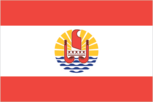
Environmental issues
sea-level rise; cyclones, storms, and tsunamis producing floods, landslides, erosion, and reef damage; droughts; fresh water scarcity
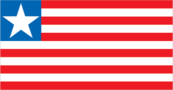
Economic overview
low-income West African economy; food scarcity, especially in rural areas; high poverty and inflation; bad recession prior to COVID-19 due to Ebola crisis; growing government debt; longest continuously operated rubber plantation; large informal economy
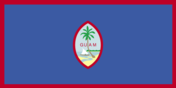
Environmental issues
freshwater scarcity; reef damage; inadequate sewage treatment; rapid proliferation of the non-native brown tree snake
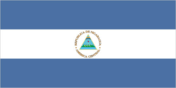
Economic overview
low-income Central American economy; until 2018, nearly 20 years of sustained GDP growth; recent struggles due to COVID-19, political instability, and hurricanes; significant remittances; increasing poverty and food scarcity since 2005; sanctions limit investment
Economic overview
<p>lower-middle-income Central Asian economy; large infrastructure projects, including Rogun Dam, and a push towards green development and digitalization driving growth; strong metal mining, electricity, and manufacturing industries; challenges include land scarcity, climate vulnerability, and complex bureaucratic processes for investors</p>
Major lakes (area sq km)
<strong>top ten largest natural lakes: </strong>Caspian Sea (Azerbaijan, Iran, Kazakhstan, Russia, Turkmenistan) 374,000 sq km; Lake Superior (Canada, United States) 82,100 sq km; Lake Victoria (Kenya, Tanzania, Uganda) 62,940 sq km; Lake Huron (Canada, United States) 59,600 sq km; Lake Michigan (United States) 57,750 sq km; Lake Tanganyika (Burundi, Democratic Republic of the Congo, Tanzania, Zam...
Major aquifers
aquifers are underground layers of water-bearing permeable rock formations; groundwater from aquifers can be extracted using a water well<br><br><em>The World Factbook</em> lists 37 major aquifers across 52 countries:<br>Africa - 13<br>Asia - 10 <br>North America - 5<br>South America - 3 <br>Europe - 4<br>Australia -2 <br><br>these aquifers contain the bulk of the stored volume of groundwater; thi...
World biomes › Desert biome
The most important characteristic of a desert biome is that it receives very little rainfall, usually about 250 mm (10 in) of rain per year. During the day, desert temperatures rise to an average of 38°C (100°F). At night, desert temperatures fall to an average of -4°C (about 25°F). Vegetation is sparse, consisting of cacti, small bushes, and short grasses. Perennials survive for s...
Environmental issues
deforestation; overgrazing; soil erosion; desertification; loss of biodiversity; water shortages in some areas from water-intensive farming and poor management; industrial pollution and pesticides contribute to air, water, and soil pollution

Environmental issues
soil degradation; desertification; water pollution from chemicals and pesticides; salination of fresh water; improper sewage treatment; depletion and contamination of underground water resources
Environmental issues
deforestation; overgrazing; soil erosion; desertification; depletion of water resources; water pollution from raw sewage and petroleum refining wastes; inadequate potable water
Major watersheds (area sq km)
a watershed is a drainage basin on an area of land where precipitation collects and drains off into a common outlet, such as into a river, bay, or other body of water; oceans ultimately take in the drainage from 83% of all land area; the remaining 17% of the land drains into internal (endorheic) basins<br><br><em>The World Factbook</em> lists 51 watersheds across 102 countries: <br>Asia - 18<br>Eu...
Environmental issues
overuse of pastures and subsequent soil erosion; desertification; deforestation of tropical rainforest from international demand for timber and domestic use as fuel; loss of biodiversity; soil erosion contributing to water pollution and siltation of rivers and dams; inadequate supplies of potable water
Environmental issues
inadequate supplies of potable water; water pollution; poaching; deforestation; desertification; droughts

Environmental issues
inadequate supplies of potable water; soil and water pollution from improper waste disposal in rural areas and poor farming practices; desertification
Environmental issues
air pollution from vehicle emissions; water pollution from raw sewage; tap water not potable; deforestation; wildlife protection
Environmental issues
water pollution; tap water not potable; poaching; wildlife mismanagement; desertification; deforestation; soil erosion
Environmental issues
inadequate supplies of potable water; water pollution; limited arable land; deforestation (forests threatened by agriculture and the use of wood for fuel); desertification; endangered species
Environmental issues
deforestation (agricultural expansion, fires, and grazing); desertification; water pollution; tap water non-potable; wildlife preservation
Environmental issues
deforestation due to slash-and-burn agriculture; desertification; water pollution; water-borne diseases
Environmental issues
drought in north; deforestation; overgrazing; soil erosion; poaching and habitat destruction; water pollution; inadequate potable water
Environmental issues
deforestation; inadequate potable water; desertification; soil contamination and erosion; overfishing, overpopulation in forest region; poor mining practices; water pollution; improper waste disposal

Environmental issues
water pollution from urban and industrial wastes and from use of pesticides and fertilizers; flooding; water-hyacinth infestation in Lake Victoria; deforestation; soil erosion; desertification; poaching
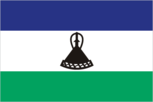
Environmental issues
overgrazing; severe soil erosion; soil exhaustion; desertification; Highlands Water Project controls, stores, and redirects water to South Africa
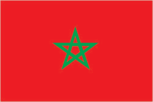
Environmental issues
in the north: land degradation and desertification, with soil erosion from farming, overgrazing, and vegetation removal; water and soil pollution from industrial-waste dumping; in the south: desertification; overgrazing; sparse water
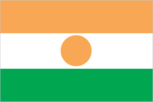
Environmental issues
overgrazing; soil erosion; deforestation; desertification; contaminated water; inadequate potable water; wildlife populations (such as elephant, hippopotamus, giraffe, and lion) threatened by poaching and habitat destruction
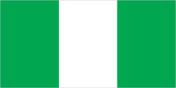
Environmental issues
urban air and water pollution; rapid deforestation; soil degradation; loss of arable land; water, air, and soil pollution from oil spills
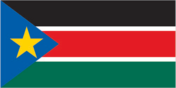
Environmental issues
water pollution; inadequate supplies of potable water; wildlife conservation and loss of biodiversity; deforestation; soil erosion; desertification; drought
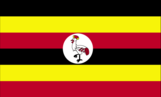
Environmental issues
draining of wetlands for agricultural use; deforestation; overgrazing; soil erosion; water pollution from industrial discharge and water hyacinth infestation in Lake Victoria; widespread poaching
Capital › Etymology
the name derives from the Tahitian words <em>pape </em>(water) and <em>ete </em>(basket), referring to a place where people came to get water
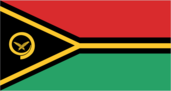
Environmental issues
water pollution; limited potable water; inadequate sanitation; deforestation
Environmental issues
air pollution from motor vehicles and industry; water pollution from agricultural runoff and untreated industrial waste and sewage; poor management of water resources; soil erosion; increasing levels of soil salinity
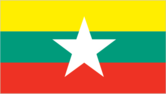
Environmental issues
deforestation; industrial pollution of air, soil, and water; inadequate sanitation and water treatment; rapid depletion of the country's natural resources
Environmental issues
air pollution and acid rain from reliance on coal; carbon dioxide emissions from the burning of fossil fuels; water shortages, particularly in the north; water pollution from untreated wastes; coastal destruction due to land reclamation, industrial development, and aquaculture; deforestation and habitat destruction; poor land management leading to soil erosion, landslides, floods, droughts, dust s...
Environmental issues
water pollution; inadequate potable water; deforestation; soil erosion and degradation
Environmental issues
unexploded ordnance; deforestation; soil erosion; loss of biodiversity; water pollution; limited access to potable water
Environmental issues
air pollution; water pollution from industrial emissions, raw sewage; contamination of drinking water supplies; trade in endangered species; low-level radioactive waste disposal
Environmental issues
deforestation and soil degradation from logging and slash-and-burn agriculture; water pollution; overfishing; groundwater contamination limits potable water supply; air pollution
Environmental issues
scarce water resources; salination; water pollution from sewage, industrial wastes, and pesticides; coastal degradation; erosion; loss of wildlife habitats from urbanization
Natural hazards
occasional droughts; no streams or large bodies of water on the peninsula (all potable water comes from desalination)
Environmental issues
severe air, soil, and water pollution; soil pollution from oil spills, pesticides, and toxic defoliants used in producing cotton; surface and underground water pollution from untreated municipal and industrial wastewater and agricultural run-off
Environmental issues
air pollution, particularly in Rust'avi; heavy water pollution of Mtkvari River and the Black Sea; inadequate supplies of potable water; soil pollution from toxic chemicals; land and forest degradation; biodiversity loss; waste management
Environmental issues
air pollution, especially in urban areas, from vehicle emissions, refinery operations, and industrial effluents; deforestation; overgrazing; desertification; oil pollution in the Persian Gulf; wetland losses from drought; soil degradation (salination); inadequate potable water; water pollution from raw sewage and industrial waste
Environmental issues
habitat loss from wetland draining; inadequate potable water; soil degradation (salination) and erosion; desertification; air, soil, and groundwater pollution from military and industries; water pollution from oil refineries and factory and sewage discharges; soil pollution from fertilizer and chemicals; air pollution in urban areas
Natural resources
limestone, iron ore, salt, water-surplus state in a water-deficit region, arable land
Environmental issues
limited natural freshwater resources; high levels of soil and water salinity in the coastal plains; beach pollution from oil spills; industrial effluents in the water table and aquifers; desertification due to high winds driving desert sand into arable lands
Geography - note
<strong>note 1:</strong> second-largest country in the world (after Russia) and largest in the Americas; strategic location between Russia and US via north polar route; approximately 90% of the population is concentrated within 160 km (100 mi) of the US border <br><br><strong>note 2:</strong> Canada has more fresh water than any other country, and almost 9% of Canadian territory is water; Canada h...

Geographic coordinates
60 00 S, 90 00 E (nominally), but the Southern Ocean has the unique distinction of being a large circumpolar body of water totally encircling the continent of Antarctica; this ring of water lies between 60 degrees south latitude and the coast of Antarctica and encompasses 360 degrees of longitude
Environmental issues
deforestation in Amazon Basin; illegal wildlife trade; illegal poaching; air and water pollution in Rio de Janeiro, Sao Paulo, and other large cities; land degradation and water pollution from mining; wetland degradation; oil spills
Environmental issues
limited natural freshwater resources; inadequate potable water; soil degradation; overgrazing; deforestation (cut down for fuel and building materials); desertification; air and water pollution in urban areas
Environmental issues
flooding; water pollution, especially of fishing areas, from the use of commercial pesticides; groundwater pollution from naturally occurring arsenic; falling water tables in the northern and central parts of the country; soil degradation and erosion; deforestation; destruction of wetlands; severe overpopulation with noise pollution
National coat of arms
the water lily is the national flower and symbolizes promise, aesthetics, and elegance; the water under the lily, the rice sheaves on the sides, and the jute leaves at the top represent the Bangladeshi landscape and economy; the four stars represent the aims and ambition of the nation
Environmental issues
deforestation; soil erosion; overgrazing; desertification; air pollution from industrial effluents and vehicle emissions; water pollution from raw sewage and agricultural pesticides; tap water not potable; growing population overstraining natural resources; biodiversity loss

Environmental issues
water pollution from raw sewage, industrial wastes, and agricultural runoff; limited natural freshwater resources; most of the population does not have access to potable water; deforestation; soil erosion; desertification; air pollution and noise pollution in urban areas
Environmental issues
air pollution in major cities; soil erosion from overgrazing and other poor farming practices; desertification; river and coastal pollution from dumping of raw sewage, petroleum refining wastes, and other industrial effluents; pollution in Mediterranean Sea from oil wastes, soil erosion, and fertilizer runoff; inadequate potable water
Drinking water source › Improved: urban
urban: 96.1% of population (2022 est.)
Drinking water source › Improved: rural
rural: 90.4% of population (2022 est.)
Drinking water source › Improved: total
total: 94.7% of population (2022 est.)
Drinking water source › Unimproved: urban
urban: 3.9% of population (2022 est.)
Drinking water source › Unimproved: rural
rural: 9.6% of population (2022 est.)
Drinking water source › Unimproved: total
total: 5.3% of population (2022 est.)
Drinking water source › Improved: urban
urban: 71.7% of population (2022 est.)
Drinking water source › Improved: rural
rural: 27.8% of population (2022 est.)
Drinking water source › Improved: total
total: 57.7% of population (2022 est.)
Drinking water source › Unimproved: urban
urban: 28.3% of population (2022 est.)
Drinking water source › Unimproved: rural
rural: 72.2% of population (2022 est.)
Drinking water source › Unimproved: total
total: 42.3% of population (2022 est.)
Imports - commodities
refined petroleum, diamonds, cars, flavored water, electricity (2023)
Drinking water source › Improved: urban
urban: 97.5% of population (2022 est.)
Drinking water source › Improved: rural
rural: 79.6% of population (2022 est.)
Drinking water source › Improved: total
total: 92.6% of population (2022 est.)
Drinking water source › Unimproved: urban
urban: 2.5% of population (2022 est.)
Drinking water source › Unimproved: rural
rural: 20.4% of population (2022 est.)