1985 Edition
CIA World Factbook 1985 (Internet Archive)
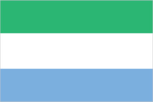
Geography
Agriculture
main crops — palm kernels, coffee, cocoa, rice, yams, millet, ginger, cassava; much of cultivated land devoted to subsistence farming; food crops insufficient for domestic consumption
Area
7 1 ,740 km2; slightly smaller than South Carolina; 65% arable (6% cultivated), 27% pasture, 4% swamp, 4% forest
Branches
executive authority exercised by President; unicameral parliament consists of 104 authorized seats, 85 of which are filled by elected representatives of constituencies and 12 by Paramount Chiefs elected by fellow Paramount Chiefs in each district; President authorized to appoint up to seven members; independent judiciary
Budget
(1983/84) revenues, $109 million; current expenditures, $146 million; development expenditures, $68 million
Capital
Freetown
Coastline
402 km People
Communists
no party, although there are a few Communists and a slightly larger number of sympathizers
Elections
the Constitution of Sierra Leone Act, 1971, has been replaced by the Constitution of Sierra Leone, 1978, which provides for one-party rule; Dr. Siaka Stevens was named as the first Executive President under the one-party constitution; the President's tenure has been extended from five to seven years; next presidential election June 1985 Political parties and leaders: All People's Congress (APC), headed by Stevens
Electric power
96,000 kW capacity (1984); 210 million kWh produced (1984), 55 kWh per capita
Ethnic divisions
over 99% native African (30% Temne, 30% Mende, 2% Creole), rest European and Asian; 13 tribes
Exports
$104 million (f.o.b., 1983/84); diamonds, iron ore, palm kernels, cocoa, coffee
Fishing
catch 65,500 metric tons (1982)
Government leader
Dr. Siaka Probyn STEVENS, President (since 1968); Sorie Ibrahim KOROMA, First Vice President (since April 1971); Francis Minah, Second Vice President (since May 1984)
Imports
$126 million (f.o.b., 1983/84); machinery and transportation equipment, manufactured goods, foodstuffs, petroleum products
Labor force
about 1.5 million; most of population engages in subsistence agriculture; only small minority, some 65,000, earn wages
Land boundaries
933 km Water
Language
English (official); regular use limited to literate minority; principal vernaculars are Mende in south and Temne in north; " Krio, " the language of the resettled exslave population of the Freetown area, is used as a lingua franca
Legal system
based on English law and customary laws indigenous to local tribes; constitution adopted 1978; highest court of appeal is the Sierra Leone Court of Appeals; has not accepted compulsory ICJ jurisdiction
Limits of territorial waters (claimed)
200 nm
Literacy
about 15%
Major industries
mining — diamonds, iron ore, bauxite, rutile; manufacturing beverages, textiles, cigarettes, construction goods; 1 oil refinery
Major trade partners
UK, EC, US, Japan, Communist countries
Member of
AfDB, AIOEC, Commonwealth, EGA, ECOWAS, FAO, G-77, GATT, IAEA, IBA, IBRD, ICAO, ICO, IDA, IDB— Islamic Development Bank, IFAD, IFC, ILO, IMF, IMO, INTERPOL, IPU, IRC, ITU, Mano River Union, NAM, OAU, QIC, UN, UNESCO, UPU, WHO, WMO, WTO Economy GDP. (current factor cost) $1 billion (1983/84 est.); real growth rate 0.5% (1983/84)
Monetary conversion rate
(official) 2.5 leones=US$l (October 1983)
National holiday
Republic Day, 19 April
Nationality
noun — Sierra Leonean(s); adjective— Sierra Leonean
Official name
Republic of Sierra Leone
Organized labor
35% of wage earners Government
Political subdivisions
3 provinces; divided into 12 districts with 146 chiefdoms, where paramount chief and council of elders constitute basic unit of government; plus western area, which comprises Freetown and other coastal areas of the former colony
Population
3,883,000 (July 1985), average annual growth rate 2.6%
Religion
60% Muslim, 30% indigenous beliefs, 10% Christian
Suffrage
universal over age 21
Type
republic under presidential regime since April 1971