2001 Edition
CIA World Factbook 2001 (Project Gutenberg)
Introduction
Area
total: 4.5 sq km land: 4.5 sq km water: 0 sq km
Area - comparative
about eight times the size of The Mall in Washington, DC
Background
First discovered by the British in 1821, the uninhabited island was annexed by the US in 1858, but abandoned in 1879 after tons of guano had been removed. The UK annexed the island in 1889, but never carried out plans for further exploitation. The US occupied and reclaimed the island in 1935. Abandoned after World War II, the island is currently a National Wildlife Refuge administered by the US Department of the Interior; a day beacon is situated near the middle of the west coast. Jarvis Island Geography
Climate
tropical; scant rainfall, constant wind, burning sun
Coastline
8 km
Country name
conventional long form: none conventional short form: Jarvis Island
Dependency status
unincorporated territory of the US; administered from Washington, DC, by the Fish and Wildlife Service of the US Department of the Interior as part of the National Wildlife Refuge system
Disputes - international
none
Economy - overview
no economic activity Jarvis Island Transportation
Elevation extremes
lowest point: Pacific Ocean 0 m highest point: unnamed location 7 m
Environment - current issues
no natural fresh water resources
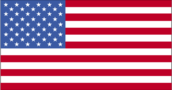
Flag description
the flag of the US is used Jarvis Island Economy
Geographic coordinates
0 22 S, 160 03 W
Geography - note
sparse bunch grass, prostrate vines, and low-growing shrubs; primarily a nesting, roosting, and foraging habitat for seabirds, shorebirds, and marine wildlife Jarvis Island People
Irrigated land
0 sq km (1998)
Land boundaries
0 km
Land use
arable land: 0% permanent crops: 0% permanent pastures: 0% forests and woodland: 0% other: 100%
Legal system
the laws of the US, where applicable, apply
Location
Oceania, island in the South Pacific Ocean, about one-half of the way from Hawaii to the Cook Islands
Map references
Oceania
Maritime claims
exclusive economic zone: 200 NM territorial sea: 12 NM
Military - note
defense is the responsibility of the US; visited annually by the US Coast Guard Jarvis Island Transnational Issues
Natural hazards
the narrow fringing reef surrounding the island can be a maritime hazard
Natural resources
guano (deposits worked until late 1800s), terrestrial and aquatic wildlife
Population
uninhabited note: Millersville settlement on western side of island occasionally used as a weather station from 1935 until World War II, when it was abandoned; reoccupied in 1957 during the International Geophysical Year by scientists who left in 1958; public entry is by special-use permit from US Fish and Wildlife Service only and generally restricted to scientists and educators; visited annually by US Fish and Wildlife Service (July 2001 est.) Jarvis Island Government
Ports and harbors
none; offshore anchorage only; note - there is one small boat landing area in the middle of the west coast and another near the southwest corner of the island
Terrain
sandy, coral island surrounded by a narrow fringing reef
Transportation - note
there is a day beacon near the middle of the west coast Jarvis Island Military
Waterways
none