1982 Edition
CIA World Factbook 1982 (Wikisource)
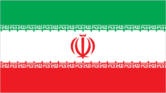
Geography
Area
1,647,240 km2; 14% agricultural, 11% forested, 16% cultivable with adequate irrigation, 51% desert, waste, or urban, 8% migratory grazing and other
Coastline
3,180 km, including islands, with 676 km
Land boundaries
5,318 km (including areas belonging to Iran and now occupied by Iraq during continuing border war) WATER
Limits of territorial waters (claimed)
12 nm (fishing 50 nm)
People and Society
Ethnic divisions
63% ethnic Persians, 3% Kurds, 13% other Iranian, 18% Turkic, 3% Arab and other Semitic, 1% other
Labor force
12.0 million, est. (1979); 33% agriculture, 21% manufacturing; shortage of skilled labor substantial
Language
Persian, Turkish dialects, Kurdish, Arabic
Literacy
about 37% of those seven years of age and older (1976 est.)
Nationality
noun—Iranian(s); adjective—Iranian
Population
41,203,000 (July 1982), average annual growth rate 3.1%
Religion
93% Shia Muslim; 5% Sunni Muslim; 2% Zoroastrians, Jews, Christians and Baha'is
Government
Branches
Ayatollah ol-Ozma Khomeini, the leader of the revolution, provides general guidance for the government, which is divided into executive, legislative, and Judicial branches
Capital
Tehrān
Communists
1,000 to 2,000 est. hardcore; 15,000 to 20,000 est. sympathizers
Elections
elections to endorse new constitution were held in late 1979; those to select a president in January 1980 and July and November 1981, and those to select the parliament (two rounds) in March and May 1980; several parliamentary by elections were held in 1980 and 1981 Political parties and leaders: Islamic Republic Party (IRP), Ali Khamenei; Tudeh Party, Nur-ed-Din Kianuri
Government leaders
Ayatollah ol-Ozma Ruhollah KHOMEINI, President Ali KHAMENEI (cleric), Prime Minister Mir Hosein MUSAVI-KHAMENEI, Speaker of Islamic Consultative Assembly Ali Akbar HASHEMI-RAFSANJANI (cleric)
Legal system
the new constitution codifies Islamic principles of government
Member of
Colombo Plan, FAO, G-77, IAEA, IBRD, ICAC, ICAO, IDA, IFAD, IFC, IHO, ILO, IMCO, IMF, IPU, ISCON, ITU, NAM, OPEC, RCD, UN, UNESCO, UPU, WFTU, WHO, WMO, WSG, WTO; continued participation in some of these organizations doubtful under the new Islamic constitution
National holiday
Shia Islam religious holidays observed nationwide
Official name
Islamic Republic of Iran
Other political or pressure groups
People's Strugglers (Mojahedin), People's Fedayeen, and Kurdish Democratic Party are armed political groups; other ethnic minorities, local leaders and Islamic Committees enforce their political views through armed militia
Political subdivisions
23 provinces, subdivided into districts, subdistricts, counties, and villages
Suffrage
universal, age 18 and over
Type
republic
Voting strength
reliable figures not available; IRP and sympathizers dominate the parliament
Economy
Agriculture
wheat, barley, rice, sugar beets, cotton, dates, raisins, tea, tobacco, sheep, and goats
Budget
(FY81) proposed expenditures of $39 billion, actual expenditures likely to be below this level
Electric power
9,614,600 kW capacity (1980); 16.843 billion kWh produced (1980), 431 kWh per capita
Exports
$11 billion (est., 1981); 97% petroleum; also carpets, fruits, and nuts
Fiscal year
21 March-20 March
GNP
$81.7 billion (1979), $2,170 per capita; 1979 real GNP growth, -24%
Imports
$15 billion (est., 1981); foodstuffs, pharmaceuticals, machinery, military supplies Major trade partners: exports—Japan, West Germany, Netherlands, Italy, UK, Spain, France; imports—West Germany, Japan, UK, Italy
Major industries
crude oil production (1.4 million b/d in 1981) and refining, textiles, cement and other building materials, food processing (particularly sugar refining and vegetable oil production), metal fabricating (steel and copper)
Monetary conversion rate
70.5 rials=US$1
Communications
Airfields
178 total, 143 usable; 78 with permanent-surface runways; 17 with runways over 3,659 m, 17 with runways 2,440-3,659 m, 69 with runways 1,220-2,439 m
Civil air
approx. 50 major transport aircraft
Highways
81,800 km total; 36,000 km gravel and crushed stone, 15,000 km improved earth
Inland waterways
904 km, excluding the Caspian Sea, 104 km on the Shatt al Arab
Pipelines
crude oil, 5,900 km; refined products, 3,500 km; natural gas, 3,282 km
Ports
7 major, 6 minor
Railroads
4,601 km total; 4,509 km standard gauge (1.435 m), 92 km 1.676-meter gauge
Military and Security
Military budget
for fiscal year ending 20 March 1981, $4.2 billion; 10% of central government budget
Military manpower
males 15-49, 9,310,000; 5,722,000 fit for military service; about 409,000 reach military age (21) annually