1986 Edition
CIA World Factbook 1986 (Internet Archive)
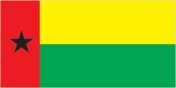
Geography
Airfields
17 total, 17 usable; 5 with permanent-surface runways; 3 with runways 2,440-3,659 m, 9 with runways 1, 220-2,439 m Defense Forces
Branches
- Army (ground forces), Navy (acts primarily as a coast guard), Air Force, paramilitary National Gendaramerie
- president and cabinet; 150-member National Popular Assembly, overseen by 15-member Council of State
Capital
Bissau
Civil air
1 major transport aircraft
Coastline
274 km People
Communists
a few Communists, some sympathizers
Elections
legislative elections held March 1984; legislature elected Vieira to serve a five-year term as President in May 1984 Political parties and leaders: African Party for the Independence of Guinea-Bissau and Cape Verde (PAIGC), led by President , Vieira, only legal party; Guinea-Bissau decided to retain the binational party title despite its formal break with Cape Verde
Ethnic divisions
about 99% African (30% Balanta, 20% Fula, 14% Manjaca, 13% Mandinga, 7% Papel); less than 1% European and mulatto
Government leaders
Brig. Gen. Joao Bernardo VIEIRA, President, Council of State (since November 1980); Paulo CORREIA, First Vice President, Council of State (since May 1984); lafai CAMARA, Second Vice President, Council of State (since May 1984)
Highways
30,000 km total; 1,087 km paved, 13,013 km gravel or laterite, 16,000 km unimproved earth
Infant mortality rate
250/1,000(1982)
Inland waterways
1,295 km navigable by shallow-draft native craft
Labor force
90% agriculture; 5% industry, services, and commerce; 5% government Government
Land boundaries
740 km Water
Language
Portuguese (official); Criolo and numerous African languages
Legal system
new constitution approved May 1984
Life expectancy
42
Limits of territorial waters (claimed)
12 nm (200 nm exclusive economic zone)
Literacy
9%
Member of
AfDB, CEAO, FAO, G-77, GATT(de facto), IBRD, ICAO, ICO, IDA, IDB— Islamic Development Bank, IFAD, IFC, ILO, IMF, IMO, ISCON, ITU, NAM, OAU, QIC, UN, UNESCO, UPU, WFTU, WHO, WMO
Military manpower
males 15-49, 1,282,000; 645,000 fit for military service 100km >•, "" , f Arquipelagd • dos Btfagos North Atlantic Ocean S«e regional map VII Land 36,260 km2 (includes Bijagos archipelago); about the size of New Hampshire and Connecticut combined
National holiday
Independence Day, 24 September
Nationality
noun — Guinea-Bissauan(s); adjective — GuineaBissauan
Official name
Republic of Guinea-Bissau
Political subdivisions
9 regions, 3 circumscriptions (predominantly indigenous population)
Population
875,000 (July 1986), average annual growth rate 1.9%
Ports
1 major (Conakry), 2 minor
Religion
65% indigenous beliefs, 30% Muslim, 5% Christian
Suffrage
universal over age 15
Type
republic; highly centralized one-party regime since September 1974