1982 Edition
CIA World Factbook 1982 (Wikisource)
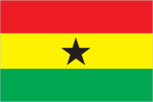
Geography
Area
238,280 km2; 19% agricultural, 60% forest and brush, 21% other
Coastline
539 km
Land boundaries
2,285 km WATER
Limits of territorial waters (claimed)
200 nm
People and Society
Ethnic divisions
99.8% Negroid African (major tribes Ashanti, Fante, Ewe), 0.2% European and other
Labor force
3.4 million; 61% agriculture and fishing, 16.8% industry, 15.2% sales and clerical, 4.1% services, transportation, and communications, 2.9% professional; 400,000 unemployed
Language
English official; African languages include Akan 44%, Mole-Dagbani 16%, Ewe 13%, and Ga-Adangbe 8%
Literacy
about 25% (in English)
Nationality
noun—Ghanaian(s); adjective—Ghanaian
Organized labor
350,000 or approximately 10% of labor force
Population
12,943,000 (July 1982), average annual growth rate 3.2%
Religion
45% animists, 43% Christian, 12% Muslim
Government
Branches
executive authority vested in seven-member Provisional National Defense Council (PNDC); on 21 January 1982 PNDC appointed secretaries to head most ministries
Capital
Accra
Communists
a small number of Communists and sympathizers
Elections
elections held in June 1979 for parliament and president; presidential runoff election held in July Political parties and leaders: political parties outlawed after 31 December 81 coup
Government leader
former Flight Lt. Jerry RAWLINGS, Chairman of PNDC
Legal system
based on English common law and customary law; legal education at University of Ghana (Legon); has not accepted compulsory ICJ jurisdiction
Member of
AFDB, Commonwealth, ECA, ECOWAS, FAO, G-77, GATT, IAEA, IBA, IBRD, ICAO, ICO, IDA, IFC, ILO, IMCO, IMF, ISO, ITU, NAM, OAU, UN, UNESCO, UPU, WCL, WHO, WIPO, WMO, WTO
National holiday
Independence Day, 6 March
Official name
Republic of Ghana
Political subdivisions
eight administrative regions and separate Greater Accra Area; regions subdivided into 58 districts and 267 local administrative districts
Suffrage
universal over 21
Type
republic; independent since March 1957; 31 December 1981 coup ended two-year-old civilian government and suspended constitution and political activity
Economy
Agriculture
main crop—cocoa; other crops include root crops, corn, sorghum and millet, peanuts; not self-sufficient, but can become so
Budget
(1980) revenue $1.4 billion est., current expenditure $1.4 billion est., capital expenditure $327 million est.
Electric power
1,157,000 kW capacity (1980); 4.5 billion kWh produced (1980), 365 kWh per capita
Exports
$1.2 billion (f.o.b., 1980); cocoa (about 70%), wood, gold, diamonds, manganese, bauxite, and aluminum (aluminum regularly excluded from balance-of-payments data)
Fiscal year
1 July-30 June
Fishing
catch 229,904 metric tons (1979)
GNP
$10.1 billion (1979 est.) at current prices, about $849 per capita; real growth rate less than 1% (1970-77)
Imports
$1.1 billion (f.o.b., 1980); textiles and other manufactured goods, food, fuels, transport equipment
Major industries
mining, lumbering, light manufacturing, fishing, aluminum
Major trade partners
UK, EC, and US
Monetary conversion rate
1 Cedi=US$0.3636 (1979 and 1980)
Communications
Airfields
14 total, 12 usable; 5 with permanent-surface runways; 2 with runways 2,440-3,659 m, 7 with runways 1,220-2,439 m
Civil air
7 major transport aircraft
Highways
32,200 km total; 6,084 km concrete or bituminous surface, 26,166 km gravel or laterite Inland waterways: Volta, Ankobra, and Tano rivers provide 235 km of perennial navigation for launches and lighters; additional routes navigable seasonally by small craft; Lake Volta reservoir provides 1,125 km of arterial and feeder waterways
Pipelines
refined products, 3 km
Ports
2 major (Tema, Takoradi), 1 naval base (Sekondi)
Railroads
953 km, all 1.067-meter gauge; 32 km double track; diesel locomotives gradually replacing steam engines
Military and Security
Military manpower
males 15-49, 2,752,000; 1,532,000 fit for military service; 134,000 reach military age (18) annually