1988 Edition
CIA World Factbook 1988 (Internet Archive)
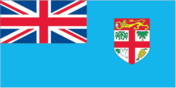
Geography
Climate
tropical marine; only slight seasonal temperature variation
Coastline
1,129 km
Comparative area
about the size of Massachusetts
Continental shelf
200 meters or to depth of exploitation
Environment
subject to hurricanes from November to January
Ethnic divisions
50% Indian, 45% Fijian; 5% European, other Pacific Islanders, overseas Chinese, and others
Extended economic zone
200 nm
Infant mortality rate
29/1,000 (1983)
Labor force
176,000 (1979); 40% of total work force paid employees; remainder involved in subsistence agriculture; 43.4% agriculture, 15.6% industry
Land use
8% arable land; 5% permanent crops; 3% meadows and pastures; 65% forest and woodland; 19% other; includes NEGL% irrigated
Language
English (official); Fijian; Hindustani
Life expectancy
72
Literacy
80%
Maritime claims
(measured from claimed archipelagic baselines)
Nationality
noun — Fijian(s); adjective — Fijian
Organized labor
about 45,000 employees belong to some 46 trade unions, which are organized along lines of work and ethnic origin (1983)
Population
727,902 (July 1987), average annual growth rate 2.25%
Religion
Fijians are mainly Christian, Indians are Hindu with a Muslim minority
Special notes
none
Terrain
mostly mountains of volcanic origin
Territorial sea
12 nm
Total area
18,270 km2; land area: 18,270 km2
Government
Administrative divisions
4 divisions
Branches
executive — Prime Minister and Cabinet; legislative — 52-member House of Representatives; 22-member appointed Senate; judicial — Supreme Court, Court of Appeal, Magistrate's Courts
Capital
Suva
Communists
some
Elections
every five years unless House dissolves earlier; last held July 1982
Government leader
Ratu Sir Kamisese MARA, Prime Minister (since 1966; was Chief Minister before independence)
Legal system
based on British system
Member of
ADB, Colombo Plan, Commonwealth, EC (associate), ESCAP, FAO, G-77, GATT (de facto), IBRD, ICAO, IDA, IFAD, IFC, ILO, IMF, IMO, INTELSAT, INTERPOL, ISO, ITU, SPF, UN, UNESCO, UPU, WFTU, WHO, WIPO, WMO
National holiday
Fiji Day, 10 October
Official name
Fiji
Political parties
Alliance, primarily Fijian, headed by Ratu Mara; National Federation, primarily Indian, headed by Siddiq Koya; Western United Front, Fijian, Ratu Osea Gavidi; Fiji Labor Party (founded in mid-1985), headed by Dr. Timoci Bavadra
Suffrage
universal adult
Type
independent parliamentary state within Commonwealth; Elizabeth II recognized as chief of state
Voting strength
(July 1982) House of Representatives — Alliance Party 28 seats, National Federation Party/Western United Front coalition 24 seats
Economy
Agriculture
sheep and cattle grazing
Budget
expenditures, $98.8 million; revenues, $98.8 million (FY81)
Electric power
80,000 kW capacity; 225 million kWh produced, 4,890 kWh per capita (1986)
Exports
$178.7 million (f.o.b., 1980); mostly fish and fish products
Fiscal year
calendar year
Fishing
catch 329,900 metric tons (1983); exports, $162.3 million (1980)
GDP
$369.3 million, about $8,800 per capita (1980)
Imports
$222.1 million (c.i.f., 1980); machinery and transport equipment, petroleum and petroleum products, food products
Major industry
fishing
Major trade partners
exports 21.3% Denmark, 13.4% UK, 12.4% FRG, 11.7% US (1980)
Monetary conversion rate
7.37 Danish kroner=US$l (December 1986)
Natural resources
fish
Communications
Airfields
1 total, 1 usable with permanent-surface runways 1,220-2,439 m
Highways
200 km
Military manpower
included with Denmark ; Rotuma South Pacific Ocean Vanua LevtJ ' Taveuni Kandavu Ceva-i-Ra 200km
Ports
2 major, 8 minor
Railroads
none
Telecommunications
good international communications; fair domestic facilities; 27,900 telephones (61.0 per 100 popl.); 1 AM, 3 FM stations; 3 coaxial submarine cables Defense Forces Defense is the responsibility of Denmark