1986 Edition
CIA World Factbook 1986 (Internet Archive)
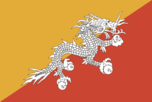
Geography
Agriculture
rice, corn, barley, wheat, potatoes, fruit, spices
Airfields
2 total; 2 usable; 2 with permanent-surface runways; 1 with runways 1,220-2,439 m
Area
75km Lingthi Dzong THIMPHU * " Paro Dzong Phunchholinfl Trad!1 Stf regional map VIII Land 46,620 km2; the size of Vermont and New Hampshire combined; 70% forest; 15% agricultural; 15% desert, waste, urban
Branches
- appointed ministers; 150-member indirectly elected National Assembly consisting of 1 10 village elders or heads of family, 10 monastic representatives, and 30 senior government administrators
- Royal Bhutan Army
Budget
total receipts, $59. 168 million; expenditures, $66.861 million (FY85/86 est.)
Capital
Thimphu; Paro (administrative capital)
Civil air
no major transport aircraft; in February 1983 Druk Air began direct flights between Paro and Calcutta
Communists
no overt Communist presence
Elections
popular elections on village level held every three years
Electric power
15,720 kW capacity (1985); 9 million kWh produced (1985), 6 kWh per capita
Ethnic divisions
60% Bhote, 25% ethnic Nepalese, 15% indigenous or migrant tribes
Exports
$15.1 million (FY84/85); agricultural and forestry products, coal
Fiscal year
1 April-31 March Communications
GDP
$300 million (FY84/85), $250 per capita; 6.7% real GDP growth in FY84/85
Government leader
Jigme Singye WANGCHUCK, King (since 1974)
Highways
1,304 km total; 418 km surfaced, 515 km improved, 371 km unimproved earth
Imports
total imports $69.4 million (FY84/85); imports from India $61.0 million (FY84/85); textiles, cereals, vehicles, fuels, machinery
Infant mortality rate
162/1,000(1983)
Labor force
95% agriculture, 1% industry and commerce (1983); massive lack of skilled labor Government
Land boundaries
about 870 km People
Language
Bhotes speak various Tibetan dialects — most widely spoken dialect is Dzongkha (official); Nepalese speak various Nepalese dialects
Legal system
based on Indian law and English common law; in 1907 the monarch assumed full power — no written constitution or bill of rights; in 1968-69 a separate judiciary that provided for local, district, and national courts with appellate jurisdiction was established; has not accepted compulsory ICJ jurisdiction
Life expectancy
43
Literacy
5%
Major industries
cement, chemical products, mining, distilling, food processing, handicrafts
Major trade partner
India
Member of
ADB, Colombo Plan, ESCAP, FAO, G-77, IBRD, IDA, IFAD, IMF, NAM, SAARC, UNESCO, UPU, UN, WHO Economy
Military manpower
males 15-49, 357,000; 192,000 fit for military service; about 17,000 reach military age (18) annually
Monetary conversion rate
both ngultrums and Indian rupees are legal tender; 12.882 ngultrums=12.882 Indian rupees=US$l (October 1985)
National holiday
17 December
Nationality
noun — Bhutanese (sing., pi.); adjective — Bhutanese
Natural resources
timber, hydroelectric power
Official name
Kingdom of Bhutan
Other political or pressure groups
Buddhist clergy, Indian merchant community, ethnic Nepalese organizations
Political parties
no legal parties
Political subdivisions
4 regions (east, central, west, south), further divided into 18 districts
Population
1,446,000 (July 1986), average annual growth rate 2.0%
Religion
75% Lamaistic Buddhism, 25% Indianand Nepalese-influenced Hinduism
Suffrage
each family has one vote
Supply
dependent on India
Telecommunications
facilities inadequate; 1,300 telephones (0.1 per lOOpopl.); 11,000 est. radio sets; no TV sets; 20 AM stations; no TV stations Defense Forces
Type
monarchy; special treaty relationship with India