1981 Edition
CIA World Factbook 1981 (Internet Archive)
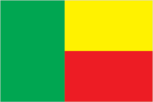
Geography
Airfields
9 total, 9 usable; 1 with permanent-surface runways; 4 with runways 1,220-2,439 m
Area
- 115,773 kms; southern third of country is most fertile; arable land 80% (actually cultivated 11%), forests and game preserves 19%, nonarable 1%
- 54.4 km2; 8% arable, 60% forested, 21% built on, wasteland, and other, 11% leased for air and naval bases
- 1,266,510 km2; about 3% cultivated, perhaps 20% somewhat arable, remainder desert
Civil air
3 major transport aircraft
Coastline
- 121 km
- 103 km
Highways
3,303 km total; 705 km paved, 2,598 km improved earth
Inland waterways
small sections, only important locally
Land boundaries
- 1,963 km
- 5,745 km
Limits of territorial waters (claimed)
- 200 nm (100 nm mineral exploitation limit)
- 3 nm (fishing 200 nm)
Military manpower
eligible 15-49, 1,579,000; of the 778,000 males 15-49, 393,000 are fit for military service; about 37,000 males and 38,000 females reach military age (18) annually; both sexes are liable for military service
Ports
1 major (Cotonou), 1 minor
Telecommunications
fair system of open wire and radio relay; 16,200 telephones (0.5 per 100 popl.); 2 AM stations, 1 FM station, and 1 TV station DEFENSE FORCES
People and Society
Ethnic divisions
- 99% Africans (42 ethnic groups, most important being Fon, Adja, Yoruba, Bariba), 5,500 Europeans
- approximately 61% black, 39% white
Labor force
- 70% of labor force employed in agriculture; less than 2% of the labor force work in the industrial sector and the remainder are employed in transport, commerce, and public services
- 29,669 employed (1980)
Language
- French official; Fon and Yoruba most common vernaculars in south; at least six major tribal languages in north
- English
Literacy
- about 20%
- 98%
Nationality
- noun — Beninese (sing., pi.); adjective — Beninese
- noun — Bermudian(s); adjective — Bermudian
- noun — Nigerien(s) (sing, and pi.); adjective —
Organized labor
approximately 75% of wage earners, divided among two major and several minor unions
Population
- 3,636,000 (July 1982), average annual growth rate 2.6%
- 72,000 (July 1982), average annual growth rate 2.6%
- 5,833,000 (July 1982), average annual growth rate 2.9%
Religion
- 12% Muslim, 8% Christian, 80% animist
- 37% Church of England, 19% other Protestant, 14% Catholic, 30% other
Government
Branches
- National Revolutionary Assembly, National Executive Council, Central Committee of party
- Executive Council (cabinet) appointed by governor, led by government leader; bicameral legislature with an appointed Legislative Council and a 40-member directly elected House of Assembly; Supreme Court
Capital
- Porto-Novo (official), Cotonou (de facto)
- Hamilton
Communists
sole party espouses Marxism-Leninism
Elections
- National Assembly elections were held in November 1979; Assembly then formally elected Kerekou President in February 1980
- at least once every five years; last general election, December 1980
Government leader
Col. Mathieu KEREKOU, President, Chief of State, and Minister of Defense
Government leaders
Governor Sir Richard POSNETT; Premier John William David SWAN
Legal system
- based on French civil law and customary law; legal education generally obtained in France; has not accepted compulsory ICJ jurisdiction
- English law
Member of
AFDB, CEAO, EAMA, EGA, ECOWAS, Entente, FAO, G-77, GATT, IBRD, ICAO, ICO, IDA, IFAD, ILO, IMCO, IMF, ITU, NAM, Niger River Commission, OAU, OCAM, UN, UNESCO, UPU, WHO, WIPO, WMO, WTO
National holiday
30 November
Official name
- People's Republic of Benin
- Bermuda
Political parties
People's Revolutionary Party of Benin (PRPB) established in 1975
Political subdivisions
- 6 provinces, 46 districts
- 9 parishes
Suffrage
- universal adult
- universal over age 21
Type
- party state, under military rule since 26 October 1972; the military plans to relinquish power to a 336member National Assembly
- British colony
Economy
Agriculture
major cash crop is oil palms; peanuts, cotton, coffee, sheanuts, and tobacco also produced commercially; main food crops — corn, cassava, yams, rice, sorghum and millet; livestock, fish
Budget
(1980) revenues $156.2 million, current expenditures $127.1 million, development expenditures $139.0 million
Electric power
19,500 kW capacity (1980); 8 million kWh produced (1980), 80 million kWh imported from Ghana, 2 kWh per capita
Exports
$170 million (f.o.b., 1980); palm products (34%); other agricultural products
Fiscal year
calendar year
Fishing
catch 25,452 metric tons (1979 est); exports 600 metric tons, imports 7,365 metric tons (1979)
GNP
$1,139.5 million (1980), $286 per capita; 5.7% real growth during 1980
Imports
$410 million (c.i.f., 1980); clothing and other consumer goods, cement, lumber, fuels, foodstuffs, machinery, and transport equipment
Major industries
palm oil and palm kernel oil processing, textiles, beverages
Major trade partners
France, EC, franc zone; preferential tariffs to EC and franc zone countries
Monetary conversion rate
281.23 Communaute Financiere Africaine (CFA) francs=US$l (1981)
Communications
Railroads
579 km, all meter gauge (1.00 m)